

Any Element. Anywhere. Any Scale.
With our proprietary separations technology, Valor is unlocking the value-add refining steps that the West has been offshoring for decades.
Low-voltage electricity does the work that heat and chemicals used to
Equipment that already exists
Our technology integrates with existing commercial equipment
Scalable
Valor's process builds on one of the only known volumetrically scalable processes for critical minerals processing
Versatile
We have redesigned separations from the first principles and can target any element without sacrificing scalability and economics
A drop-in plant
Our process slots into existing mining and recycling supply chains, upgrading metallurgical intermediates into higher-value metals and materials
The same platform, element by element
More than a dozen elements are demonstrated on the platform today. Other elements are a design step away: each new element is a new chemical design, not a new plant.
71
103
Molecularly-Designed, then Engineered
The core technology is the fruit of more than a decade of extensive research and development at the university before becoming a company. Federal science agencies including the DOE, DoW, and NSF have supported the foundational research for the separation and refinement platforms being commercialized by Valor.
We are scaling up the science with unparalleled engineering talent and innovation
A decade of separations research at MIT and UIUC
Exclusively licensed from UIUC · inventors on the founding team
Redox-mediated electrochemical liquid–liquid extraction for selective metal recovery
Nature Chemical Engineering · featured on cover
Backed by U.S. federal science and defense programs
Competitively awarded, non-dilutive
Competitively selected, independently reviewed
Federal science and energy programs put our technologies through rigorous technical review before selecting it.
Tech Metal Transformation Challenge Prize Program
Selected for Phase I of the Tech Metal Transformation Challenge Prize Program, which backs laboratory science that has a credible route to commercial-scale production.
CMEI Mines & Metals Capacity Expansion Grant
Selected for the Mines & Metals Capacity Expansion Grant from the Office of Critical Minerals and Energy Innovation, which funds domestic mineral processing and refining technology.
The right mix of science, industry, and engineering
Leading scientists and researchers, industry veterans who have run billion-dollar businesses, and engineers who have built and commissioned both conventional and first-of-a-kind plants
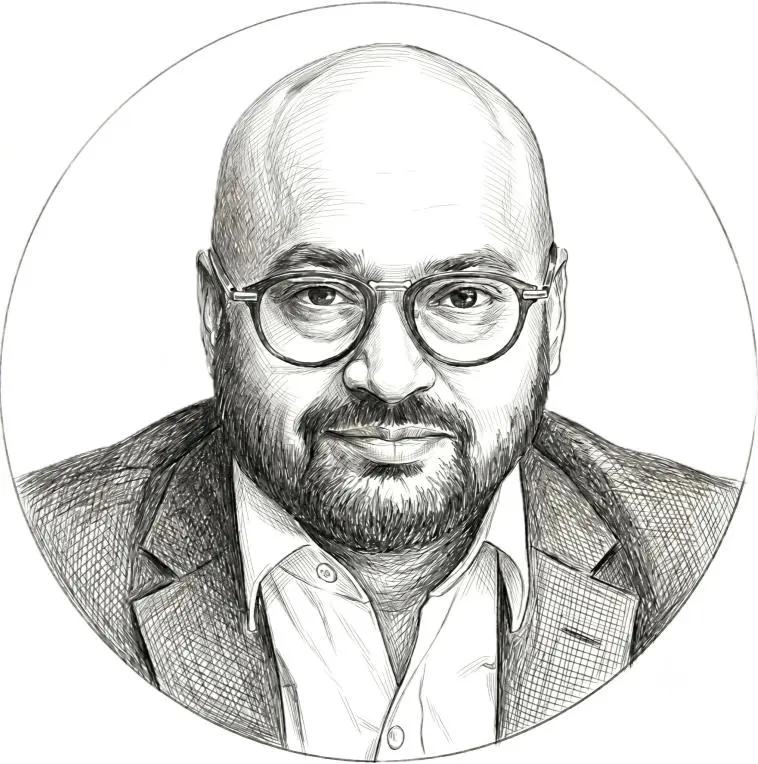

Chief Executive Officer (CEO)
Kunal spent 14 years at Glencore, most recently as CEO of its global recycling business — one of the world's largest electronics and battery recycling franchises. He also led investments for Glencore in the critical minerals space. He co-founded Valor to bring back separations and refining to America. He is an engineer from IIT Kharagpur with graduate work at the University of Illinois at Urbana-Champaign and an MBA from London Business School.
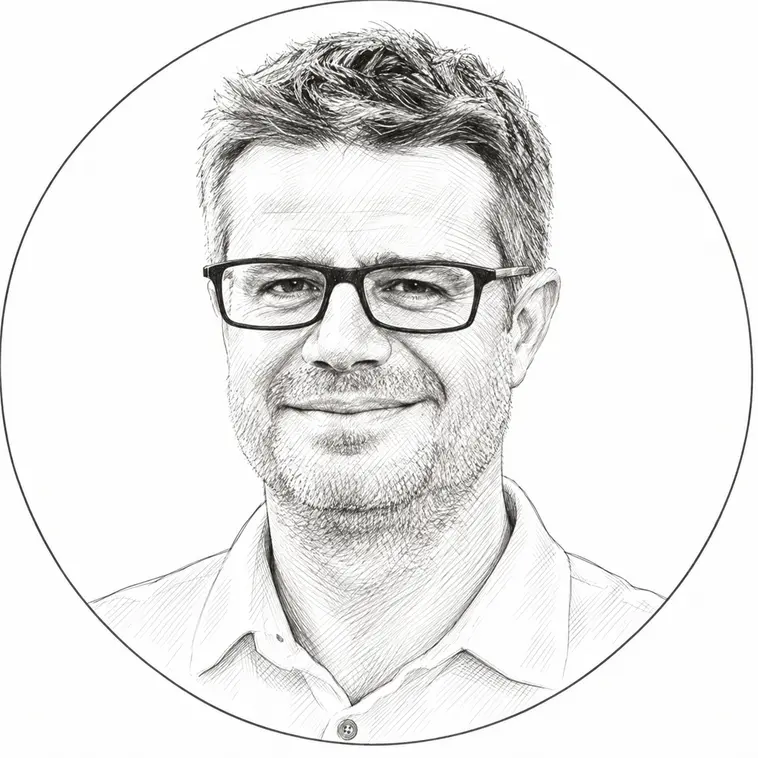
Chief Engineering and Technology Officer (CTO)
Paul was the first engineering leadership hire at Redwood Materials, where he spent more than five years as VP Engineering, successfully taking new lithium-ion battery recycling and refining processes from the lab to commercial scale. Before that he spent 18 years at Glencore, nine of them leading the hydrometallurgy and pyrometallurgy business units. At Valor he leads engineering and technology, from the pilot facility through the design of the first commercial plant and beyond.
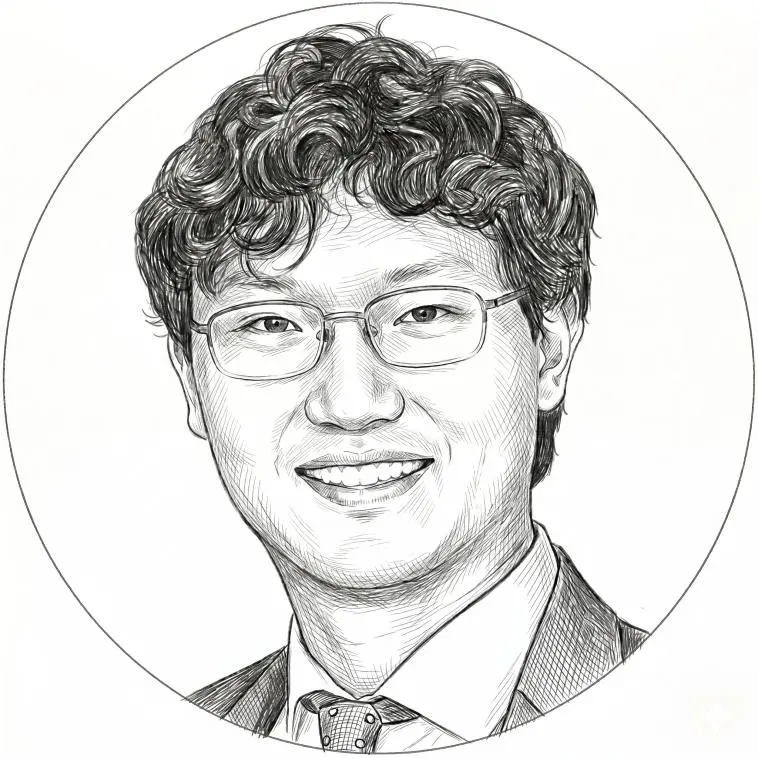
Chief Science Advisor
Xiao invented the electrochemical separation platforms that Valor commercializes. The Robert D. Bent Chair Professor of Chemical Engineering at the University of Pennsylvania, Xiao is the recipient of the NSF CAREER Award, the DOE Early Career Award, as well as the American Institute of Chemical Engineers (AIChE) and the American Chemical Society (ACS) awards in separation science. He started his academic career at the University of Illinois Urbana-Champaign, and has over 100 publications and more than 20 patents in electrochemical separations and processing. PhD in Chemical Engineering from MIT, BASc in Chemical Engineering from the University of Waterloo.
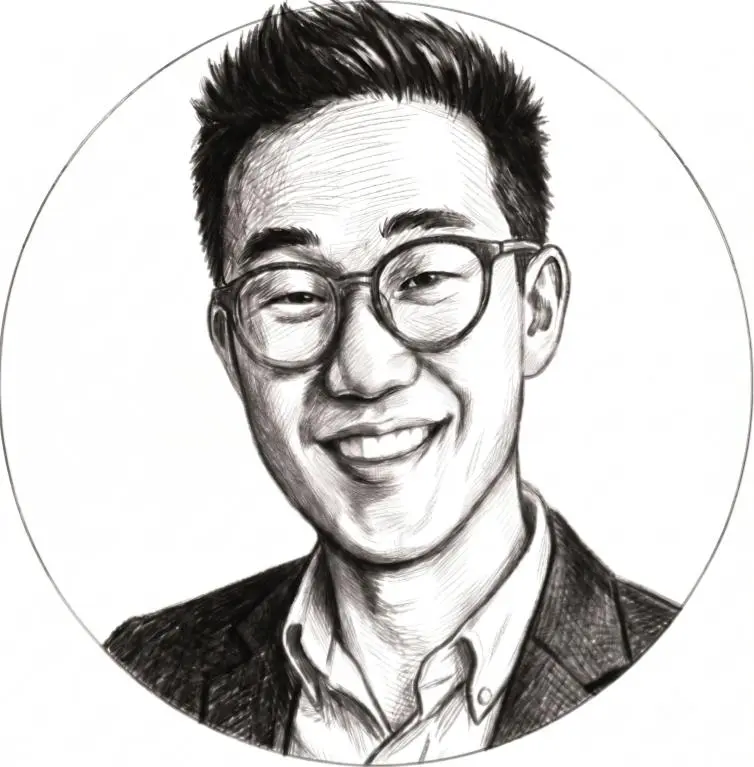
Head of Engineering
Dave builds pilot plants that run. At Redwood Materials he was accountable for a 10,000 sq ft cathode pilot plant operating 24/7, leading a 35-person organization to 90% uptime across 19 consecutive campaigns; at Tesla he designed, constructed and commissioned a pilot plant from scratch and scaled a novel process tenfold. He is a Professional Engineer and Lean Six Sigma Black Belt with a decade at DuPont behind him.
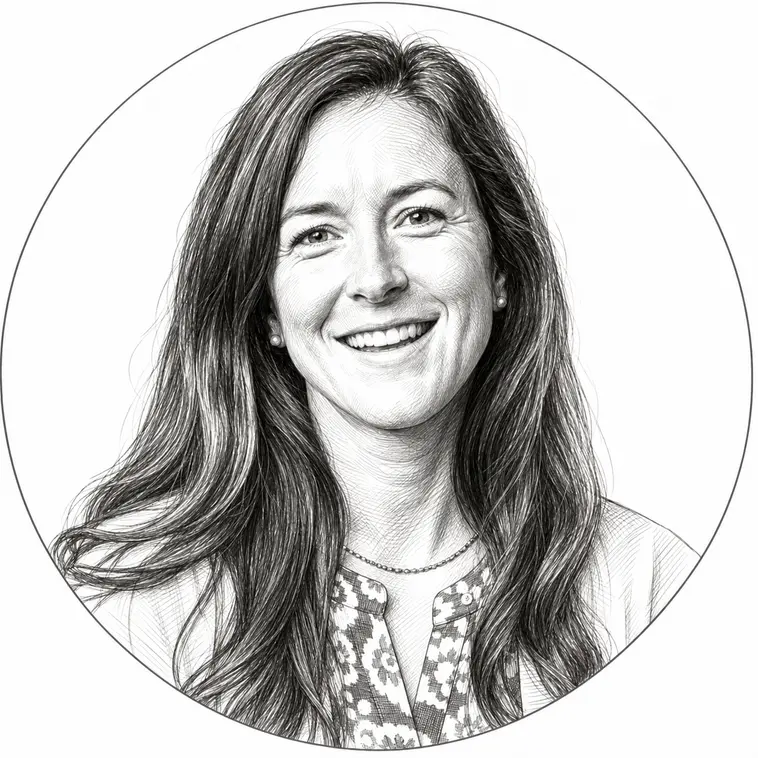
Head of Grants and Business Operations
Ann turns hard technology into funded programs. At Twelve she won more than $40M in non-dilutive awards, managed multiple $10M+ Department of Energy projects, and ran the technical diligence behind $600M+ of private investment and multi-billion-dollar customer agreements. Ph.D. in chemical and biological engineering from Colorado State.
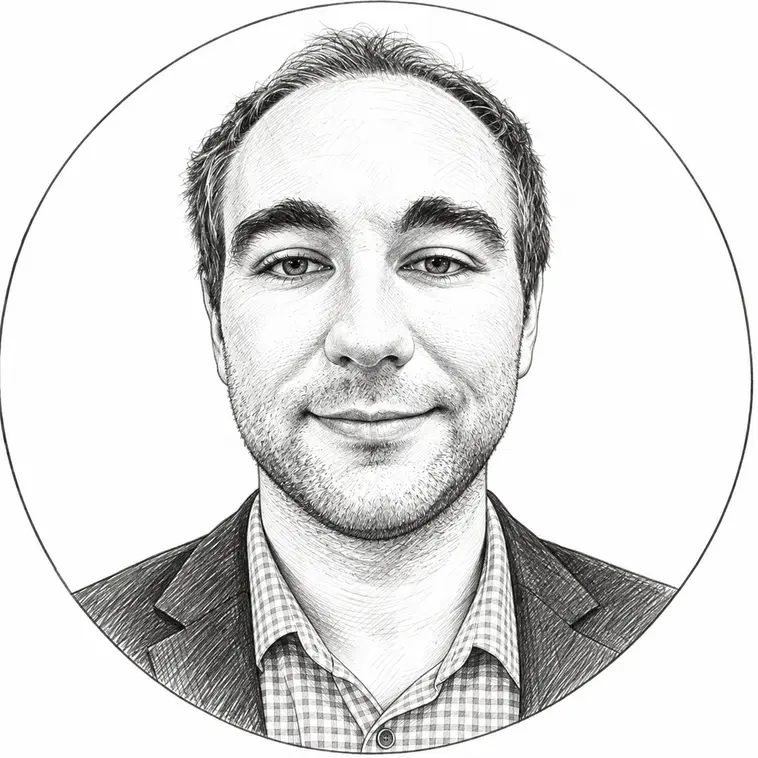
Principal Chemist
Julius is a hydrometallurgical scientist and chemist with more than ten years of industrial and academic experience, most recently at Freeport-McMoRan and BASF, where he led development of chemical additives for metallurgical processes and leaching. He created a line of PFAS-free mist suppressants now used at industrial scale in copper SX/EW plants worldwide, and catalysts that accelerate primary copper sulfide leaching, with several patents granted and products deployed. At Valor he leads chemistry development — the core of how the process selects and separates target metals.

Computational Scientist
Tanner builds machine learning models that predict chemistry before the lab runs it. His Nature paper introduced cross-attention graph neural networks for predicting how molecules and enzymes interact, and his previous ML-driven screening has repeatedly turned model predictions into experimentally confirmed hits. Ph.D. in biophysics and quantitative biology from the University of Illinois Urbana-Champaign.
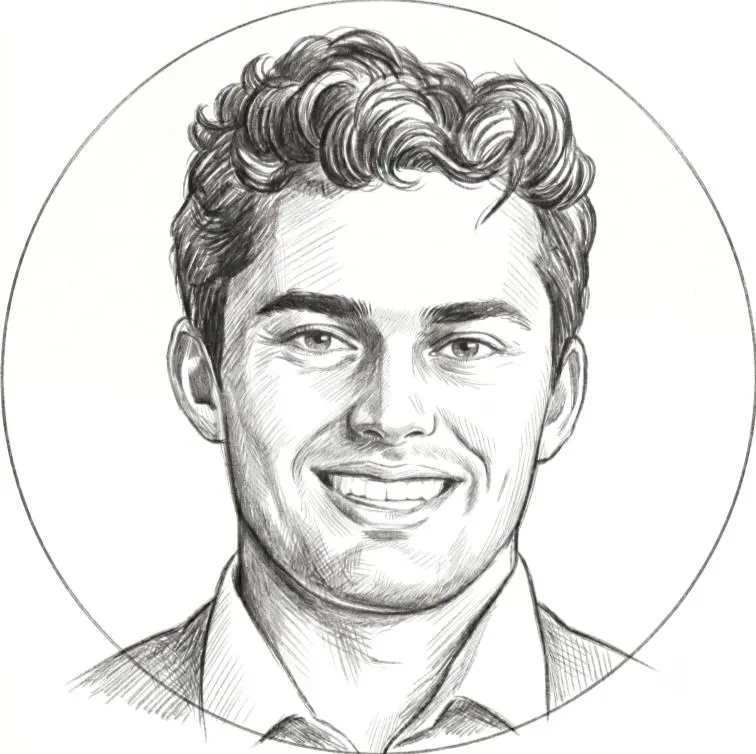
Process Engineer
Griffin runs pilot lines that turn feedstock into recovered metals and actionable process data. At Redwood Materials and Ascend Elements he led plant operations for battery materials pilot lines — experimental campaigns, equipment commissioning, and the real-time data systems behind product quality. B.S. in chemical engineering from Stanford.
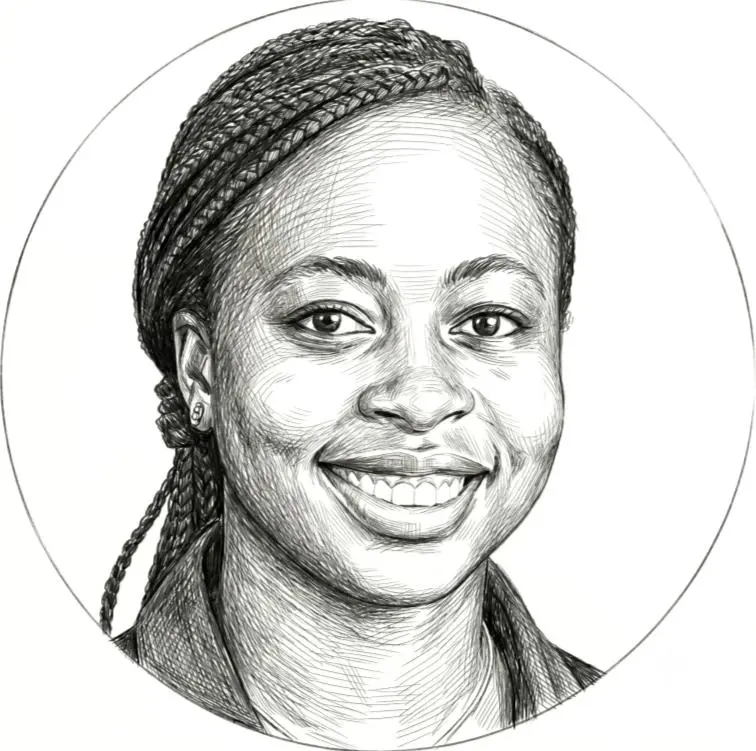
Chemical Process and Research Engineer
Ade is a co-author of the Nature Chemical Engineering paper that introduced electrochemical liquid-liquid extraction. A researcher in Prof. Xiao Su's group at the University of Illinois, she leads development of the second-generation e-LLE system and works on electrochemical recovery of precious metals from electronic waste. First-class chemical engineering degree from the University of Lagos.
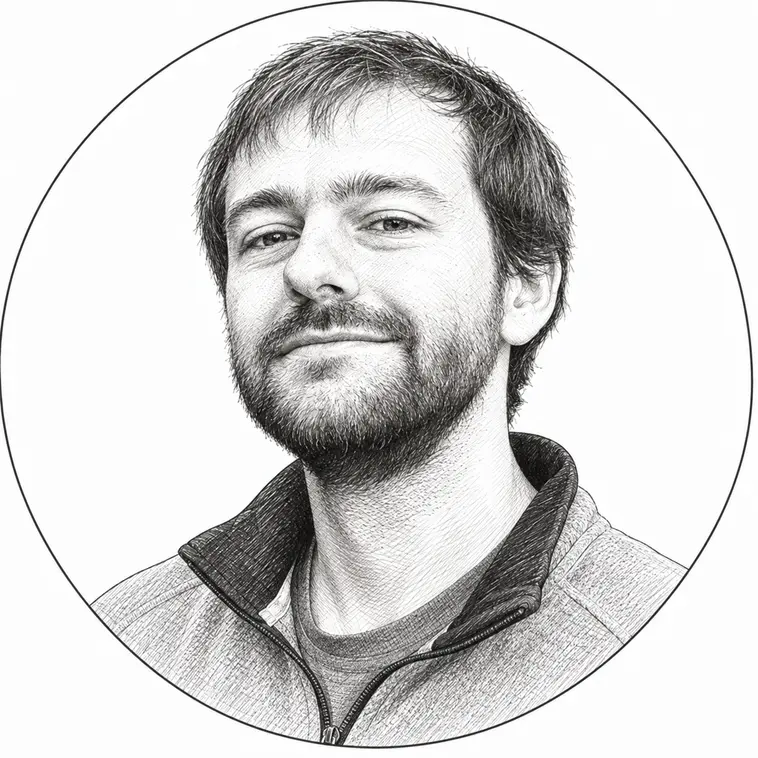
Engineering and R&D Intern
Colin is completing an M.S. in electrochemical science and technologies at the University of Oregon, after a chemical engineering degree from Oregon State. He pairs electrochemical characterization and modeling with eight years of keeping real process equipment running, including the recommissioning of a dormant facility.
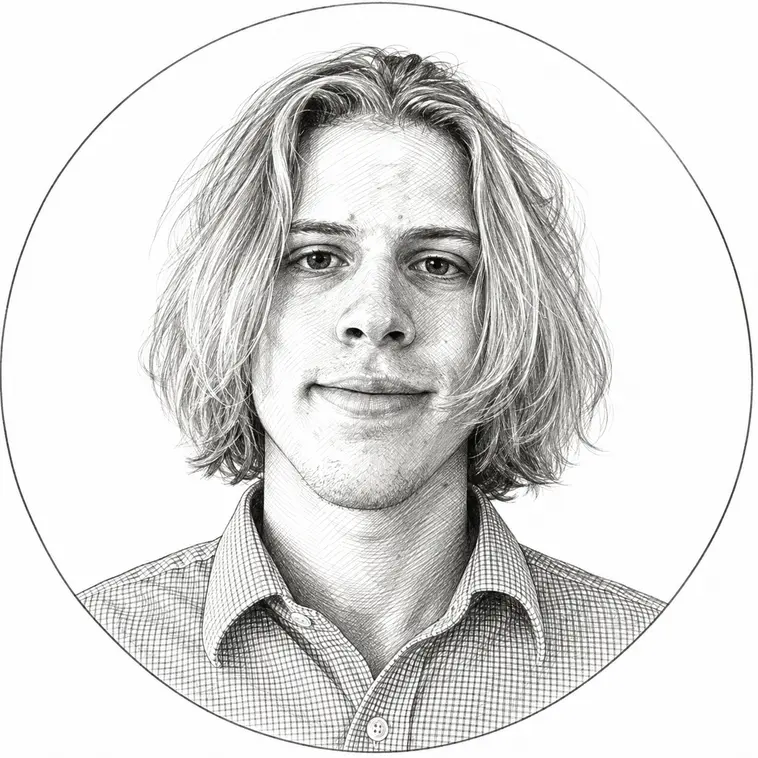
Engineering and R&D Intern
William is completing an M.S. in electrochemistry at the University of Oregon, after graduating magna cum laude in chemistry and physics from the University of Denver. His research spans electrochemical characterization, a PEM electrolyzer catalyst study with Nel Hydrogen, and synthetic chemistry under inert conditions.
Advisors
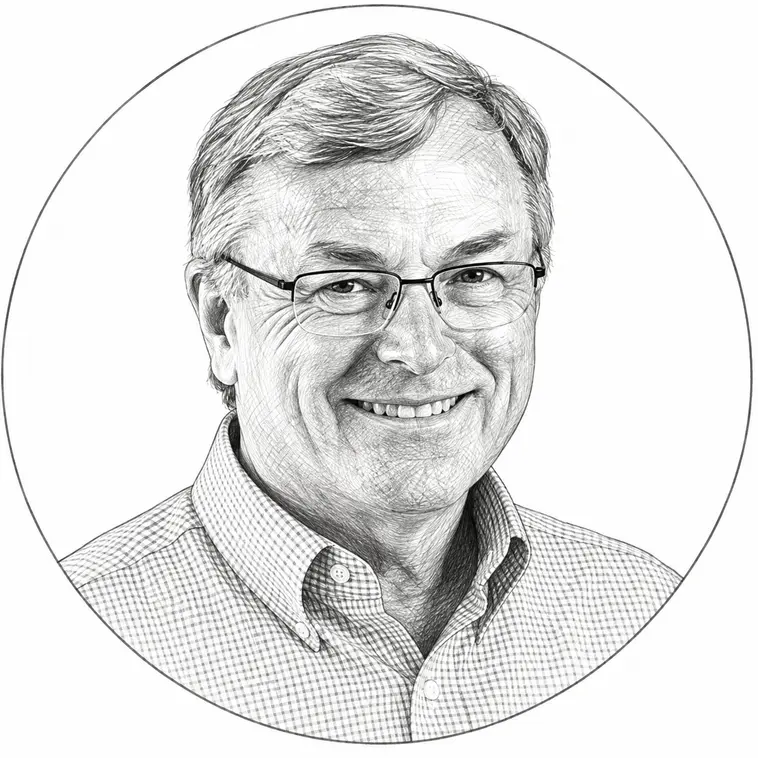
Advisor
Alan mentored Xiao and Johannes during their time at MIT, where his group's pioneering research in electrochemically mediated separations helped shape the scientific field in which Valor's platform was later developed. He is the Ralph Landau Professor of Chemical Engineering Practice at MIT, where he led the David H. Koch School of Chemical Engineering Practice for more than three decades.
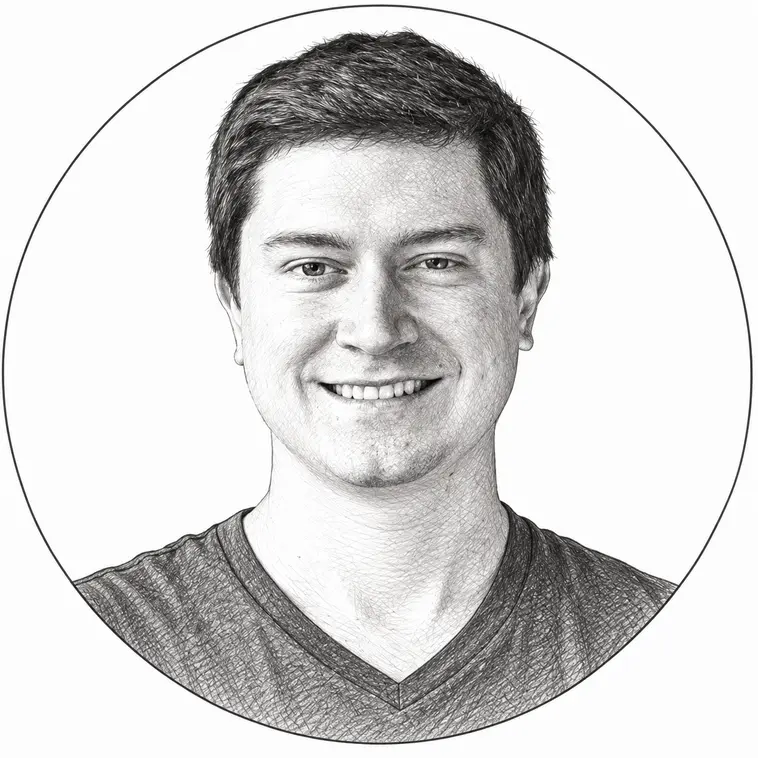
Advisor
Sean was an early backer of Valor and is the co-founder and CTO of Solugen, where he leads the scale-up of proprietary chemoenzymatic process technologies and the development of Solugen's Bioforge molecular factories. An MIT PhD in chemical engineering and NSF graduate research fellow, he has held engineering roles at the U.S. Navy, Merck, and General Mills, and is a Forbes 30 Under 30 honoree with first-author publications in Science, Angewandte Chemie, and Energy and Environmental Science.
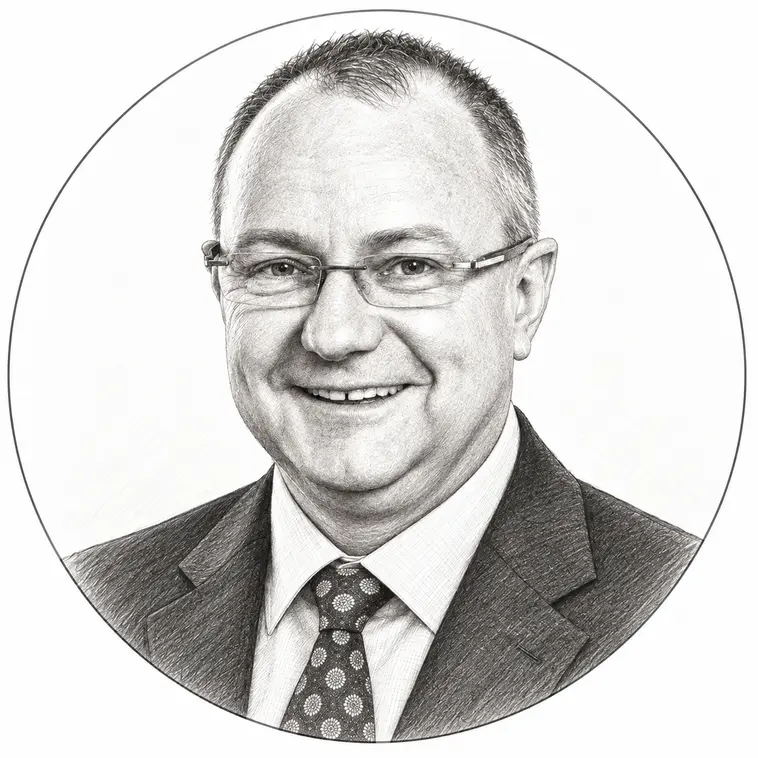
Advisor
Mark was an early backer of Valor and served as Chief Executive of Anglo American for nine years, where he led a sweeping restructuring and revitalization of its global operations, after serving as CEO of AngloGold Ashanti and before chairing Vale Base Metals from 2023 to 2025. A mining engineer who began his career in underground coal mining in Australia in 1976, he brings five decades of leadership across mining, processing, and marketing, spanning six continents, 20 countries, and more than 30 minerals and metals.
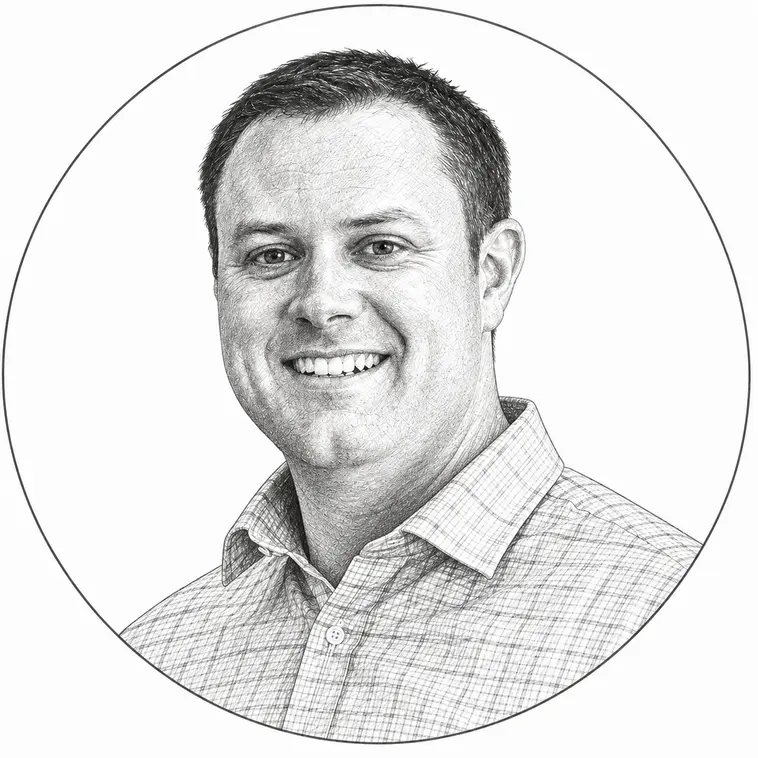
Advisor
Jeff was an early backer of Valor and is a General Partner and Global Head of Energy at B Capital, bringing nearly 25 years of investment, entrepreneurship, and corporate experience across energy and technology. He previously led Temasek's US energy and industrial growth investment team, deploying more than $1 billion of capital, and co-founded Xpansiv, the world's leading market infrastructure provider for environmental commodities.
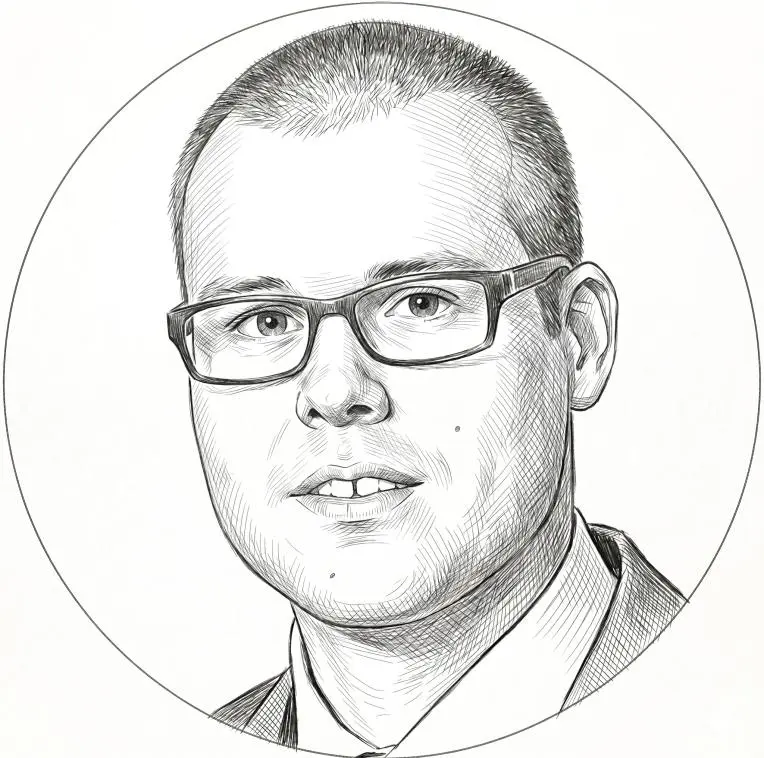
Advisor
Johannes designed the redox-active materials that make e-LLE work. As a research scientist in Prof. Su's lab he co-developed the platform and co-authored the Nature Chemical Engineering paper that introduced it, after working on electrochemical water purification at MIT and redox-flow batteries at Friedrich Schiller University Jena. Ph.D. from TU Darmstadt and prior appointment at UIUC.
Coverage of our launch
DOE’s Office of Critical Minerals and Energy Innovation Awards $75 Million to Accelerate Critical Minerals and Materials Recovery from Coal and Coal-Based Feedstocks
Valor Metals named one of five selected projects.
Read on energy.gov →STRIDE Ventures Selects Eight Teams to Transform Domestic Precious Metal Recovery
Valor Metals named one of eight teams selected for Stage 1 of the Tech Metal Transformation Challenge.
Read on PR Newswire →Can America’s Mineral Wealth Be Unlocked Without Smelters?
Read on WSJ →Glencore’s former head of recycling launches critical minerals processing firm
Read on Reuters →